Over time, many elevators installed in residential and commercial buildings experience wear and tear. This deterioration can disrupt the device’s performance, compromise user safety, and even increase maintenance costs. In such cases, renovating or modernizing the elevator is recommended as a fundamental and effective solution.
Elevator renovation isn’t limited to technical aspects; it also includes updating the appearance and interior design. For instance, replacing the elevator’s decor with modern materials can enhance aesthetics and improve user experience.
Technically, renovation involves inspecting and upgrading key components such as the motor, control panel, safety systems, and doors. This process not only optimizes the elevator’s performance but also reduces energy consumption and extends the lifespan of its parts, making it cost-effective in the long run.
In summary, modernizing old elevators is essential for maintaining safety, comfort, and added value to the building—especially in structures aiming to elevate service levels or enhance their visual appeal.
The elevator cabin, as one of the visible and frequently used elements in public or private spaces of a building, can play a significant role in maintaining visual and identity harmony with the overall architectural style. In fact, this seemingly functional element, when designed correctly, can serve as an aesthetic complement to its surroundings and enhance cohesion in interior design.
For instance, in a modern-style building emphasizing simplicity, clean lines, and industrial materials like metal and glass, utilizing an elevator cabin with a minimalist design, brushed steel doors, and hidden lighting can enhance the sense of unity. Conversely, in a classic building adorned with plaster moldings, decorative columns, and warm colors, employing cabins with natural wood finishes, brass handles, and traditional details helps maintain harmony with the overall space.
Neglecting the design of the elevator cabin and its misalignment with the building’s architectural style can create a disconnect in the user’s visual experience. Such inconsistencies not only diminish the space’s beauty but may also negatively impact the perception of the building’s luxury or professionalism.
Therefore, architects and interior designers in contemporary projects strive to approach the design of the elevator cabin with an artistic and coordinated perspective, just as they do with other building components. This approach ensures that even a small, enclosed space like an elevator serves the project’s overall identity and provides a cohesive and pleasant experience for users.

One of the influential factors in selecting the design of an elevator cabin is the overall architectural style of the building. Each architectural style requires a different approach to interior design, including the elevator cabin. A correct choice can contribute to design cohesion, while an incorrect one may lead to visual dissonance. Below, we explore some of the most common types of elevator cabins that align with various architectural styles:
Elevator cabins with modern design typically focus on simplicity, functionality, and the use of contemporary technologies. These cabins are often crafted from materials like matte steel, transparent or frosted glass, and feature LED lighting. Neutral colors such as gray, white, and black, along with simple geometric forms, make these cabins suitable for office buildings, commercial spaces, or modern residential towers.
In classic style, beauty lies in the details. Classic elevator cabins are usually adorned with wooden decorations, warm colors (such as brown, gold, or cream), traditional mirror work, and decorative chandeliers. These cabins add a sense of grandeur and authenticity to the building’s interior and are commonly found in luxury villas, traditional hotels, or buildings with European architecture.
Industrial-style elevator cabins showcase the building’s structural elements and utilize raw materials. Exposed steel beams, visible pipes, and concrete finishes characterize these cabins. They are ideal for lofts, warehouses converted into living spaces, or buildings that embrace an industrial aesthetic.
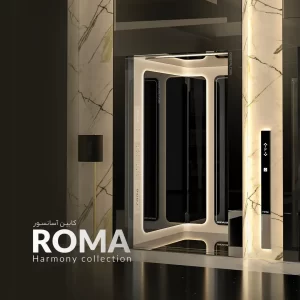
Neoclassical elevator cabins strive to maintain the spirit of classic style while incorporating modern elements. This design often features luxurious materials like natural or artificial stone, simpler wood veneers, delicate framing, and smart lighting. This style is suitable for buildings aiming to balance traditional beauty with modern functionality, such as luxury apartments, modern hotels, and cultural centers.
In minimalist design, the principle of “less is more” prevails. Minimalist elevator cabins lack unnecessary decorations and instead use simple lines, clear geometric forms, soft colors (like white, gray, or beige), and natural lighting to create a calm and uncluttered space. This design is ideal for modern spaces, smart homes, and buildings with Scandinavian or Japanese styles.
Choosing the type of elevator cabin based on architectural style not only enhances the space’s beauty but also elevates the user experience and reinforces a sense of harmony and coherence in their minds.

Selecting the appropriate materials for elevator cabin design not only impacts its durability and functionality but also plays a crucial role in the aesthetics of the space and its harmony with the building’s architectural style. Different materials each have unique characteristics and advantages, giving the elevator cabin a distinct appearance and feel. In this section, we will explore three popular and widely used materials in elevator cabin design:
Stainless steel is one of the most popular and well-known materials for designing elevator cabins. Due to its unique features, such as high resistance to rust, scratch resistance, and easy maintenance, stainless steel is an excellent choice for elevator cabins. Its polished and shiny surface can add a modern, sleek look to the cabin space. Moreover, stainless steel easily combines with other materials like glass or wood, allowing designers to create modern, minimalist, and durable cabins.
Glass is another commonly used material in elevator cabin design, chosen to create a sense of transparency and openness. Using glass in the cabin walls not only helps increase natural light and brightness in the space but also creates an impression of a larger and more open area. Additionally, glass provides a beautiful view of the surrounding environment, which is especially impactful in buildings with attractive facades or natural landscapes. Furthermore, impact-resistant and scratch-resistant glass can be easily maintained under various conditions. This material is particularly used in luxury and modern buildings or commercial centers that require a transparent and pleasant appearance.
Wood and MDF, as natural materials, impart warmth, nature-inspired aesthetics, and a sense of comfort to the elevator cabin. Wood is especially popular in buildings with classic, neoclassical, or even some modern projects aiming to balance natural and industrial elements. Wooden veneers or the use of MDF with various designs can give the space a warm and inviting look. These materials are often designed with natural wood colors or colored veneers and can be combined with other materials like stainless steel or glass to create an appealing aesthetic while maintaining natural beauty.

Lighting is a key element in elevator cabin design that not only enhances the aesthetics of the space and creates a pleasant atmosphere but also significantly impacts the user experience. Proper selection of lighting type and intensity can transform an elevator ride into an enjoyable experience while contributing to its proper functioning and safety. Lighting in elevator cabins relates to several aspects, including aesthetics, functionality, and safety.
Proper lighting in an elevator cabin can establish a unique ambiance for users. Especially in luxury or commercial buildings, intelligent lighting and the use of soft, warm lights can impart a sense of comfort and luxury. Conversely, employing cool and bright lights can create a modern and energizing environment. Generally, the choice of light type (cool or warm) and intensity should align with the building’s architectural style and usage to provide the best experience for users.
In addition to its aesthetic role, lighting in elevator cabins plays a crucial part in safety. In emergencies or during power outages, adequate lighting can easily illuminate the path and increase user safety. Therefore, emergency lights with low intensity are commonly used in elevator cabins. Moreover, utilizing energy-efficient LED lighting with low heat emission and long lifespan ensures optimal performance and reduces maintenance costs.
In some projects where natural light can be utilized, the design should integrate natural and artificial lighting. For example, using glass windows alongside intelligent lighting can help create a bright and natural space. In buildings with specific styles, such as modern or minimalist architecture, combining natural and artificial light leads to a clean and transparent environment that enhances the overall appeal of the cabin.

The elevator cab, as a fundamental element in multi-story buildings, significantly influences property value not only from a functional perspective but also in terms of aesthetics and user experience. A meticulously designed and cohesive elevator cab can enhance the building’s appeal and functionality, thereby positively affecting its market value.
The visual appeal of common areas, such as elevators, is often the first aspect noticed by visitors or potential buyers. An elevator cab that is thoughtfully designed and aligns with the building’s architectural style can leave a positive first impression. In luxury or commercial buildings, modern design, high-quality materials, and appropriate lighting can serve as standout features, distinguishing the property in competitive markets.
Elevator cabs crafted from premium materials like stainless steel, glass, and wood not only enhance aesthetics but also convey a sense of luxury and comfort to users. This perception can be particularly appealing to prospective buyers or tenants. In high-end residential projects, attention to detail in elevator design can influence purchasing or leasing decisions.
Beyond aesthetics, elevator cabs should be designed for optimal functionality. Utilizing durable materials, effective lighting, and ergonomic design can improve user comfort. These features are especially beneficial in office or commercial buildings, where efficient and comfortable elevators can increase tenant satisfaction and productivity, ultimately contributing to higher property value.
In today’s competitive real estate market, even minor details can make a significant difference. A modern and well-coordinated elevator cab design can play a crucial role in attracting more tenants and buyers. Many individuals pay close attention to details when visiting a building, and the elevator cab is one such element that can substantially influence their decision-making process.

Selecting the appropriate elevator cabin for a building is a process that requires careful attention to detail. The elevator cabin should not only function optimally but also align with the overall architectural style of the building. Below are key points to consider when choosing an elevator cabin that complements various architectural styles:
One of the most important aspects in selecting an elevator cabin is ensuring it harmonizes with the building’s interior design. If the building features a modern design with simple lines and industrial materials, the elevator cabin should incorporate materials like stainless steel or glass with a minimalist design. Conversely, in classic buildings that utilize wood, plasterwork, and decorative details, wooden or MDF cabins with traditional embellishments are more suitable. Paying attention to color coordination, textures, and interior design style, especially in shared spaces, is crucial.
The materials used in the elevator cabin design should match the building’s architectural style. For example, in modern buildings, using materials such as stainless steel, glass, and transparent concrete can enhance the simple and industrial design of the space, creating harmony. In neoclassical or classic buildings, the use of natural woods, wood veneers, and artistic details is more appropriate. Material selection should consider durability, aesthetics, and functionality within the space.
Lighting is another important aspect in elevator cabin design. In modern buildings, using hidden lighting or LED lighting can give the cabin a sleek and minimalist appearance. In classic or neoclassical buildings, luxurious lighting such as ceiling lamps or decorative lighting can add a glamorous touch to the cabin’s space. Coordinating lighting with architectural style helps enhance comfort and aesthetics.
The dimensions of the elevator cabin should be chosen based on the spatial requirements of the building. In luxury residential or commercial buildings, there may be a need for larger cabins with more space for user comfort and greater load capacity. In smaller buildings or those with limited space, smaller and more compact cabins may be a better choice. Additionally, the interior design of the cabin should be carefully planned to meet user needs and architectural style.
When selecting an elevator cabin, special attention should be given to safety, accessibility, and ease of use. For public or residential buildings, using cabins suitable for individuals with disabilities or those using wheelchairs is essential. Furthermore, the cabin design should provide sufficient space for movement of individuals and various loads. Using larger doors and more open spaces enhances safety and comfort.
Choosing an elevator cabin should consider the available budget and maintenance costs. Cabins made from materials resistant to wear, such as stainless steel or glass, typically have higher initial costs but are more cost-effective in the long term regarding maintenance. Selecting durable materials and optimized designs can reduce future repair and maintenance costs, making them more economical for long-term projects.
Selecting an elevator cabin that matches architectural style is a complex process that requires attention to various details. Coordination with interior design, selection of appropriate materials, lighting, dimensions, safety, and maintenance costs are all factors that should be considered to choose a cabin that not only performs well but also enhances the beauty and overall appeal of the building, thereby increasing property value.