Lobby design لابی

Lobby Design Trends in 2025

Lobby design لابی

2025 May 4

Read time : 10 m

Share:

Lobby Design Trends in 2025

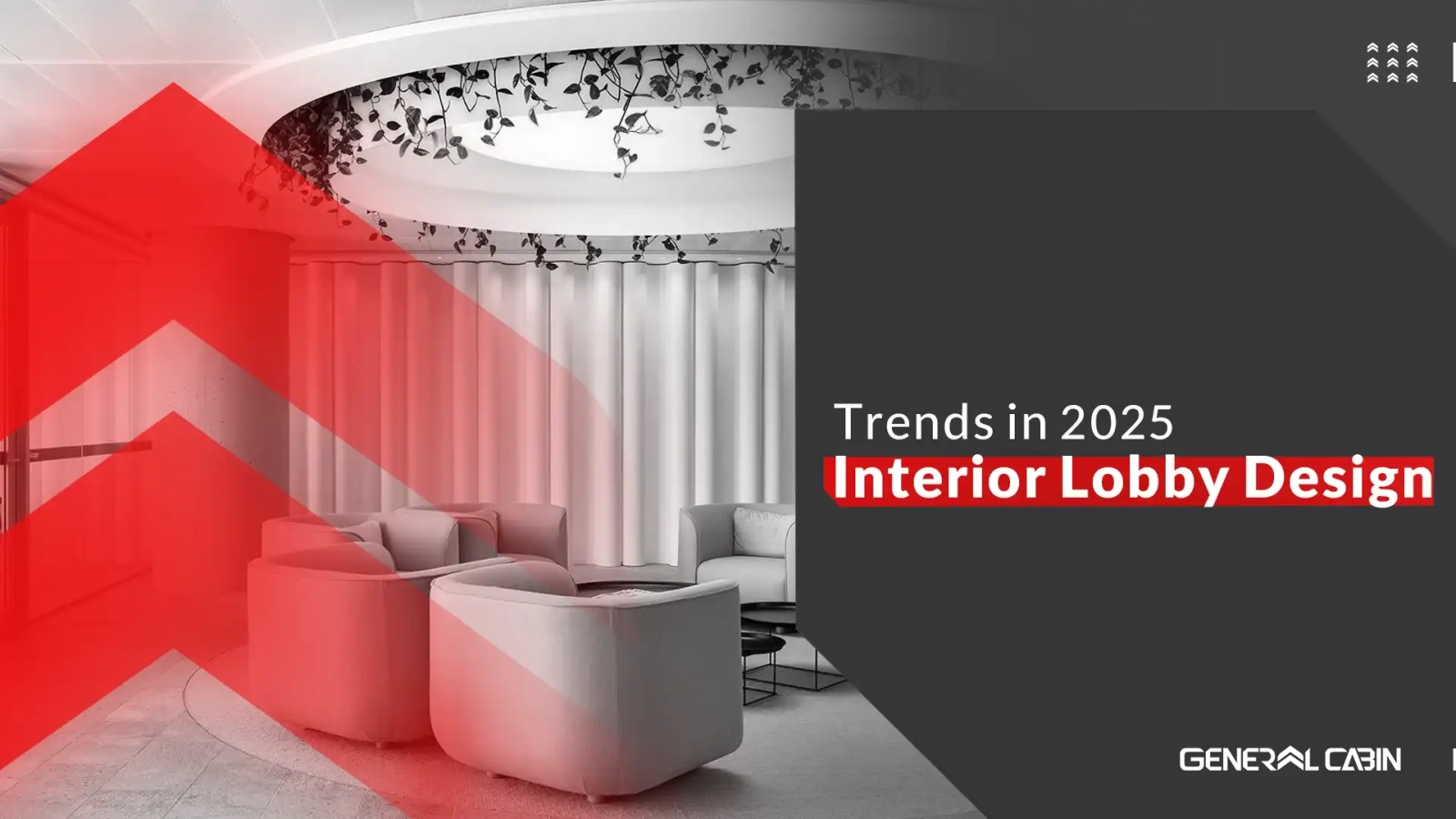
The lobby is the first space visitors encounter when entering a building. It is not merely a passage; it reflects the identity, style, and overall value of the project. In 2025, interior lobby design is moving more than ever toward creating luxurious, smart, and memorable experiences. The integration of technology, art, modern furniture, and sustainable materials has transformed lobbies from simple entrances into key elements of branding and architectural identity.

The Importance of the Lobby in Visitor Experience

The lobby acts as the building’s showcase; the very first impression of quality and prestige is formed here. A well-designed lobby conveys trust, elegance, and sophistication, while an outdated or neglected one can diminish the perceived value of the entire building.

A modern lobby should serve three essential purposes:

  • Creating a positive first impression – Just like the entrance to a hotel or store, the lobby sets the tone for the building.

  • Enhancing trust and comfort – Proper lighting, quality finishes, and comfortable furnishings provide a sense of security and ease.

  • Expressing the building’s identity – The lobby mirrors the architectural style, whether modern minimalist, classic luxury, or industrial chic.

Simply put, the lobby is the business card of the building.

Lobby design لابی

Features of a Modern and Impactful Lobby

A modern lobby is more than decoration; it’s a harmonious composition that shapes a lasting experience. Key features include:

  • Consistency with the building’s identity

  • Thoughtful lighting design

  • High-quality, sustainable materials

  • Functional and aesthetic furniture

  • Interactive spaces for socializing or showcasing art

Lobby design لابی

Key Lobby Design Trends in 2025

The year 2025 marks a turning point in interior lobby design. Lobbies have evolved from mere transitional spaces into identity-defining centers of buildings. Major trends include smart technology, sustainable design, and luxurious minimalism.

Biophilic Design and Nature Integration

Green walls, natural plants, and modern water features are central in 2025. These elements not only beautify the space but also create calmness and a sense of belonging.

Smart Lighting

Adaptive lighting that changes intensity and color based on the time of day, hidden linear fixtures, and accent lighting on artwork are increasingly popular.

Luxurious Minimalism

Minimalist lines combined with premium materials like marble, brushed steel, and natural wood create simplicity infused with grandeur.

Smart Technologies

Contactless entry systems, digital screens for displaying information or advertising, and energy management solutions transform the lobby into a dynamic and interactive space.

Art as the Focal Point

Modern sculptures, large-scale paintings, and digital art installations replace outdated ornaments, making lobbies resemble permanent galleries.

Sustainable and Multifunctional Furniture

Eco-friendly materials, ergonomic seating, and multipurpose tables enhance both comfort and practicality.

Bold Colors and Patterns

Neutral tones mixed with bold accents such as navy blue, burgundy, or gold, along with geometric floor and wall patterns, give lobbies a distinctive character.

Lobby design لابی

The Role of Elevators in Lobby Design

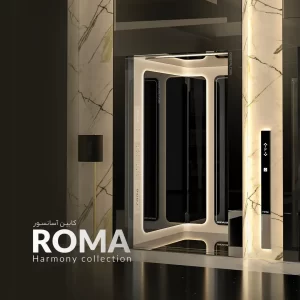
Elevators are often at the heart of the lobby and play a decisive role in shaping the overall experience.

  • Material and color harmony – Brushed steel, glass, or luxurious finishes should align with flooring and wall designs.

  • Lighting around the elevator – Hidden strips or spotlights emphasize the elevator as a central feature.

  • Modern control panels – Touch panels and LED-backlit buttons enhance usability and design quality.

  • Screens and displays – Digital monitors offer advertising, weather updates, or building information, turning elevators into interactive elements of the lobby.

Thus, the elevator is no longer just a means of transportation—it is part of the overall brand and visitor experience.

Lobby design لابی

Conclusion and Future Outlook

In 2025, the lobby is a permanent exhibition of the building’s identity, where light, color, technology, and art combine to create lasting impressions. Elevators, as focal points, reinforce this identity when designed in harmony with the space.

Looking ahead, lobby design will continue to evolve toward greater sustainability, smart integration, and personalized experiences—transforming lobbies into a blend of art gallery, social hub, and intelligent interface.

Lobby design لابی

What do you think about this article?

Share your opinion with us

Traction Elevators

Comparison of Hydraulic and Traction Elevators

Traction Elevators

2024 August 4

Read time : 16 m

Share:

Comparison of Hydraulic and Traction Elevators

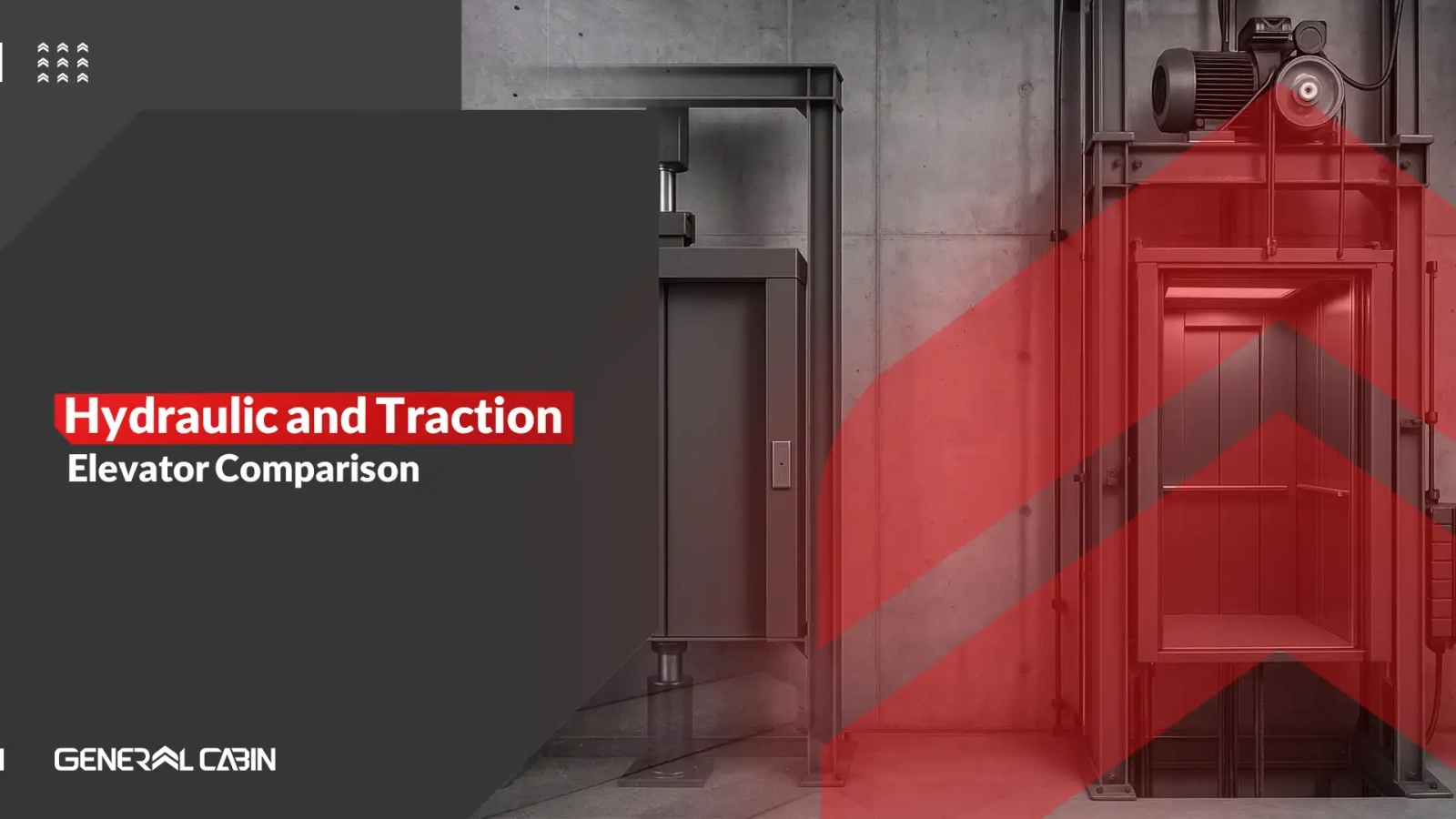
Choosing the right type of elevator for residential buildings directly affects cost, speed, comfort, and maintenance. The two most common options are traction and hydraulic elevators: the first operates with motors and cables, while the second works with a piston (jack) and a power unit. In this guide, we review the key differences in terms of suitable height, speed, energy consumption, installation and service costs, space requirements, and safety—helping you decide which option is more practical and cost-effective for your project.

In this article, you will learn:

  • What is a traction elevator, and what are its pros and cons?

  • What is a hydraulic elevator, and what are its pros and cons?

What is a Traction Elevator?

A traction elevator is the most common type used in high-rise and high-traffic buildings. It operates with steel cables and either a geared or gearless motor. In this system, the cabin and the counterweight are connected to opposite ends of the cable, and the motor drives the movement of the cables.

Advantages of Traction Elevators

  • High speed → Up to 2.5 meters per second (suitable for buildings with more than 6 floors or residential towers).
  • Lower energy consumption → Thanks to the counterweight, the motor bears less load.

  • Smooth and vibration-free movement → Especially in gearless models.

  • Suitable for tall buildings → Practically no limit on the number of floors.

Disadvantages of Traction Elevators

    • Higher initial cost → Both in equipment purchase and installation.

    • Space requirements → Needs a machine room or special shaft, although machine-room-less (MRL) models are also available.

    • Higher maintenance costs → More components, such as cables, motor, and brakes, require regular inspection.

Traction Elevator آسانسور کششی

What is a Hydraulic Elevator?

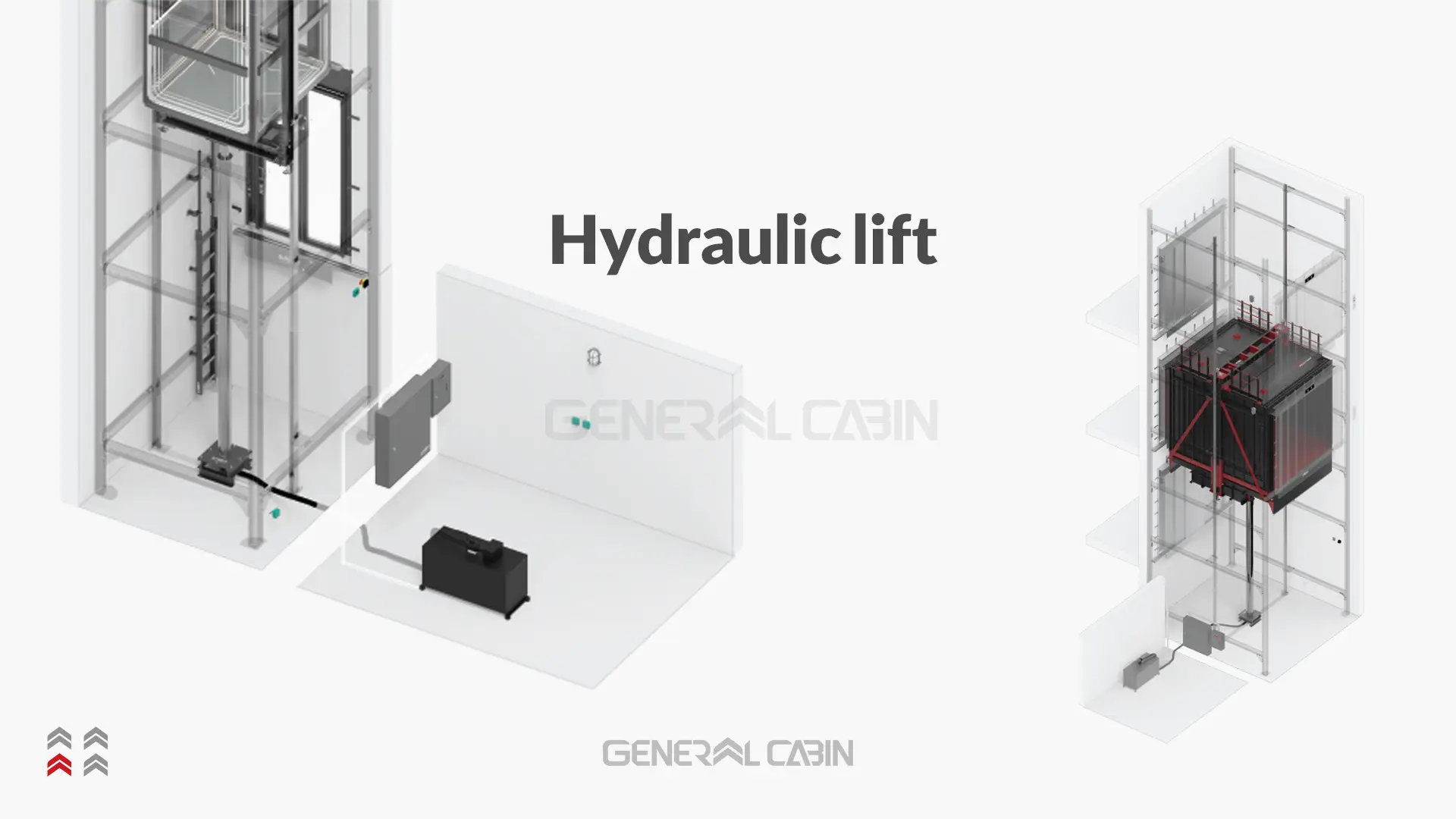
Hydraulic elevators are mostly used in low-rise residential buildings. Their movement is powered by a hydraulic jack and an oil pump. In this system, the cabin is lifted by the pressure of oil inside a cylinder, and when descending, it moves under its own weight as the oil flows back.


Advantages of Hydraulic Elevators

  • High safety → Even if a cable breaks or a malfunction occurs, the cabin will not fall suddenly.

  • No large machine room required → Equipment is installed at the lowest level or next to the shaft.

  • Flexible installation → Can be used in buildings without a standard shaft, ideal for renovation projects.

  • Lower initial cost → Generally cheaper than traction elevators.

  • Smooth and quiet ride → Especially noticeable during start and stop.

  •  

Disadvantages of Hydraulic Elevators

      • Lower speed → Typically between 0.6 and 1 meter per second (best for 2–6 story buildings).

      • Higher energy consumption when going up → Because the motor directly lifts the load.

      • Maintenance of oil and hydraulic components required → Includes oil replacement and leakage checks.

      • Height limitations → Not recommended for high-rise buildings or towers.

hydraulic elevator آسانسور هیدرولیک

Probability of Stopping at Floors

Feature Traction Elevator Hydraulic Elevator
Suitable Building Height No height limitation – ideal for high-rise buildings Best for low-rise (2–6 floors)
Speed Up to 2.5 m/s (fast) 0.6 – 1 m/s (slower)
Energy Consumption Lower, thanks to counterweight Higher when going up (motor lifts directly)
Initial Cost Higher (equipment & installation) Lower compared to traction
Maintenance Higher – cables, motor & brakes need frequent checks Hydraulic oil & pump require regular service
Space Requirement Needs a machine room (MR or MRL options) No large machine room, equipment fits at shaft bottom
Ride Comfort Smooth, especially gearless models Soft start and stop, quiet movement
Safety High – but relies on cables and brakes Very high – cabin won’t free-fall even if failure occurs

Conclusion

The choice between traction and hydraulic elevators directly depends on the building height, budget, and residents’ needs.

  • If your building has more than 6 floors or experiences heavy traffic → a traction elevator is the best option, offering higher speed and efficiency.

  • If your building is low-rise (2 to 6 floors) and you’re looking for a more economical yet safe solution → a hydraulic elevator will be more suitable.

Ultimately, consulting with a professional elevator company ensures that the decision is tailored to the technical requirements of your building.

آسانسور Elevator

What do you think about this article?

Share your opinion with us