
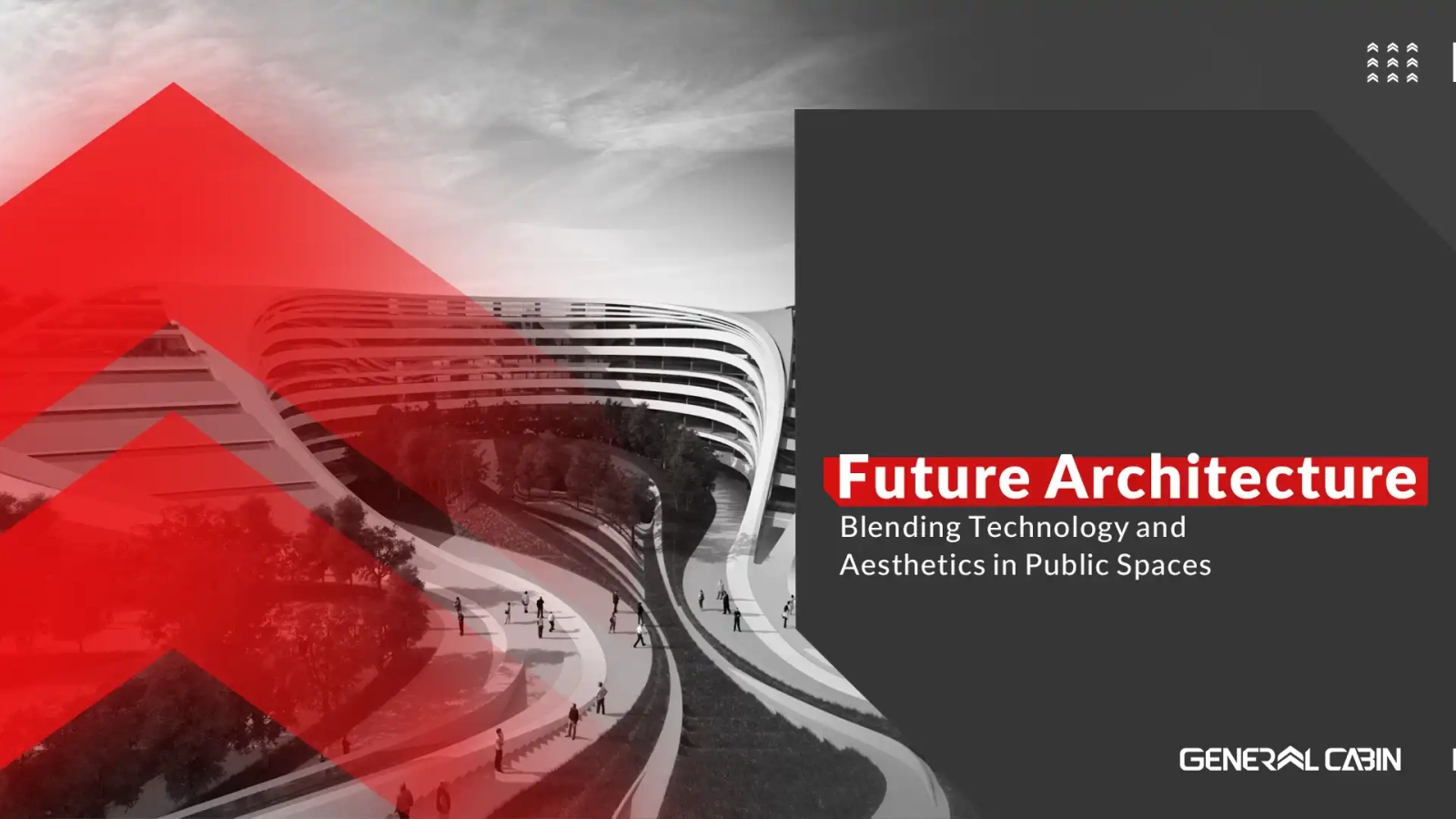
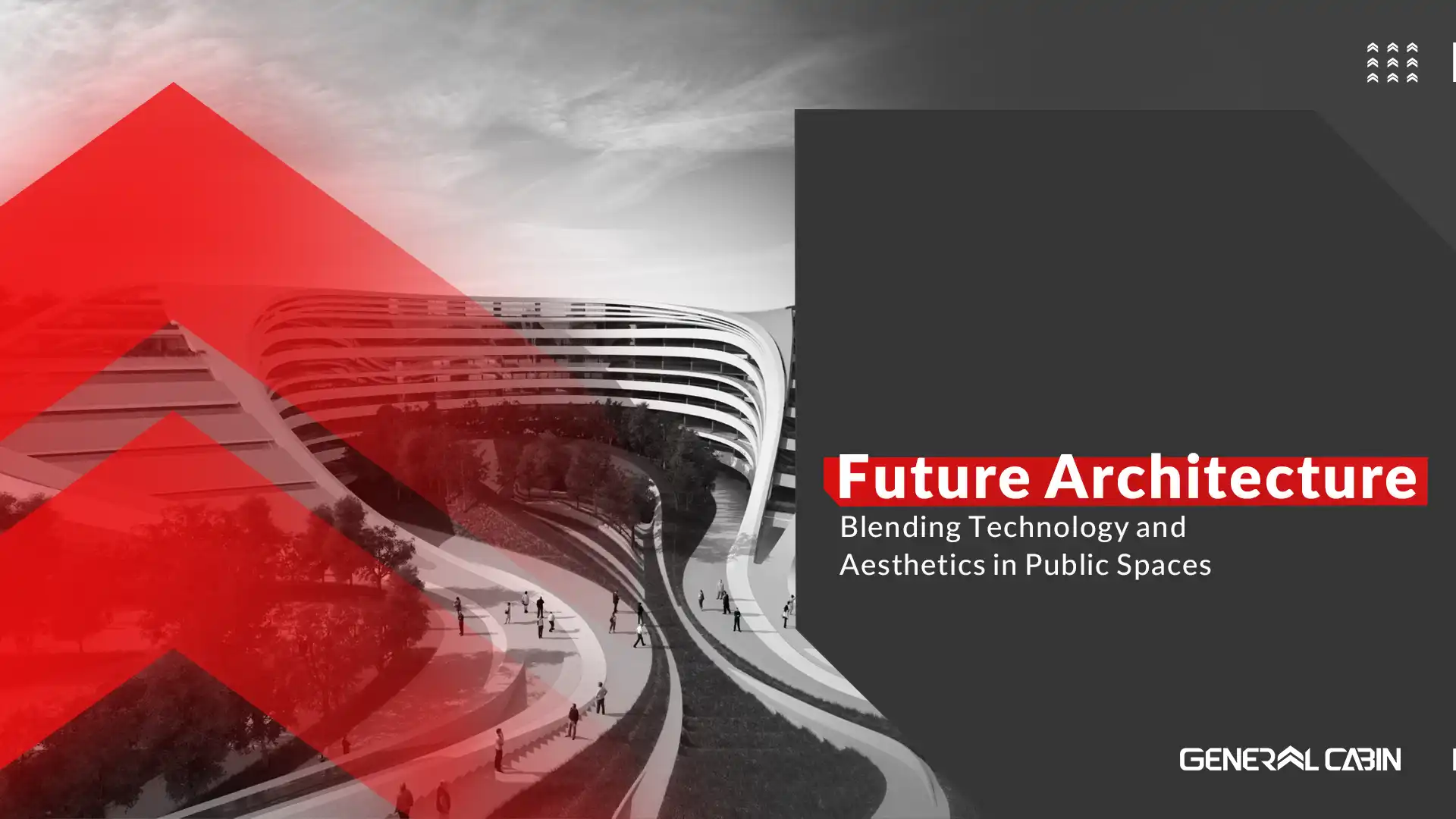
Future Architecture: Blending Technology and Aesthetics in Public Spaces
Future architecture is not only about form and appearance; it is about creating intelligent, responsive, and human-centered spaces. In these spaces, technology and aesthetics work together to enhance human experiences. This article explores the role of technology, design aesthetics, sustainability, and real-world examples of how this transformation is shaping public spaces.


What Does Future Architecture Mean?
Conceptual Definition
Future architecture is a design-driven response to humanity’s evolving needs. It seeks to address environmental crises, rapid urbanization, scarcity of resources, and fast-paced technological changes. Future-oriented design often carries features such as sustainability, adaptability, and human-centric approaches.
Why Do We Need It?
The world is changing rapidly. Cities are becoming denser, climates are more unstable, and resources are scarcer. Future architecture combines creativity with science to build spaces that are not only beautiful but also functional, not only sustainable but also smart.

Technology in Future Architecture
Technology as Part of Design
In future architecture, technology is no longer a secondary tool; it is part of the design language itself. Key technologies include:
- Parametric design
- Smart materials
- 3D printing
- Sensors and the Internet of Things (IoT)
- Augmented Reality (AR) and Virtual Reality (VR)
Smart Public Spaces
Examples of how technology transforms public spaces:
- Smart lighting that adjusts based on movement
- Solar-powered benches with mobile charging capability
- Interactive city displays providing real-time information
- Structures that react to touch or sound

Aesthetics in Future Architecture
Beauty in the Digital Age
In traditional architecture, beauty was often defined by symmetry, ornamentation, or grandeur. In future architecture, the meaning of beauty shifts. Beauty is not only what is seen, but what is experienced. It is about how people move through a space, how safe and connected they feel, and how light, sound, and form interact with human behavior.
With digital tools, architects can now create forms that were once impossible — complex yet precise, alive yet purposeful. Technology makes it possible to design beauty with data — responding to climate, user behavior, and even emotions in real time.
For example, in a public square, smart lighting systems can adjust to crowd density at different hours of the day, creating a dynamic and people-centered aesthetic.
New Aesthetic Features
In future architecture, aesthetics are no longer tied to classical or modernist rules. They are multilayered, fluid, and context-sensitive. Key aesthetic features include:
Simplicity with Functionality
Minimalist design in future architecture ensures that every element has a purpose. This clarity makes spaces accessible, functional, and intuitive.
Bionic Forms (Inspired by Nature)
Architects now look to nature not only for visual inspiration but also for functional solutions. Structures that store water like leaves or facades that regulate temperature like animal skin are examples of bionic design.
Responsive Materials
Future building materials can react to heat, light, or humidity. For instance, panels that close during the day to reduce heat and open at night to capture cool air.
Respect for Historical and Cultural Context
Although future architecture is modern and innovative, it does not necessarily ignore its roots. Successful projects often blend local traditions, native materials, and collective memory into futuristic design.

Real-World Examples of Future Architecture in Public Spaces
Future architecture is no longer just an idea; it is being realized in projects around the globe.
Seoullo 7017 – Seoul, South Korea
An old highway was transformed into a pedestrian walkway and multi-use park. With environmental sensors, interactive lighting, and local plant designs, the space was reborn. Beyond physical transformation, the project also revived the social identity of the neighborhood.
Eden Project – United Kingdom
A landmark of sustainable and future-oriented design. A series of geodesic domes house diverse ecosystems from around the world. From energy storage to water recycling systems, everything here serves both environmental and educational purposes. Eden Project is more than architecture — it is a message: design can be beautiful, green, and educational at once.
Oodi Library – Helsinki, Finland
This library redefines the idea of public space. It is a hub for reading, music, 3D printing, socializing, and even relaxation. The design is flexible, user-oriented, and powered by clean energy systems. Oodi demonstrates that future architecture is not only about structure, but about experience and content.

Challenges and Criticisms
While promising, future architecture is not without its challenges. The deeper technology enters design, the more sensitive and complex the issues become.
Challenges
- High Costs: Advanced technologies and smart materials are expensive, which can increase inequality between rich and poor communities.
- Loss of Cultural Diversity: Globalized design algorithms risk erasing local identities.
- Privacy Concerns: Sensors that track user behavior raise critical questions about data collection and security.
- Dependency on Technology: Malfunctions in smart systems can render spaces dysfunctional.
Opportunities
Alongside risks, there are unique opportunities:
- Making urban experiences more human-centered
- Enhancing social interaction through design
- Using data to improve city planning and decision-making
- Creating spaces that coexist harmoniously with nature
Future Architecture and the Climate Crisis
Future architecture has no meaning without sustainability. The use of recycled materials, solar systems, green walls, and energy-efficient strategies are becoming standard practice. The “buildings that breathe,” solar rooftops, and water recycling systems are not optional extras anymore — they are essential.
Humanity at the Center of Future Architecture
Ultimately, every innovation and technology in architecture must serve one purpose: to improve human life. Future public spaces should not only be efficient but also inclusive, welcoming, and interaction-driven.
Conclusion: The Future Must Be Built, Not Just Predicted
Future architecture is not a style; it is a vision. A vision that seeks to create a better world through intelligent, ethical, and creative design. Public spaces of tomorrow must be alive, thoughtful, and participatory — not just advanced or visually striking.
The question is not what future architecture will look like; the question is how we will shape it.

